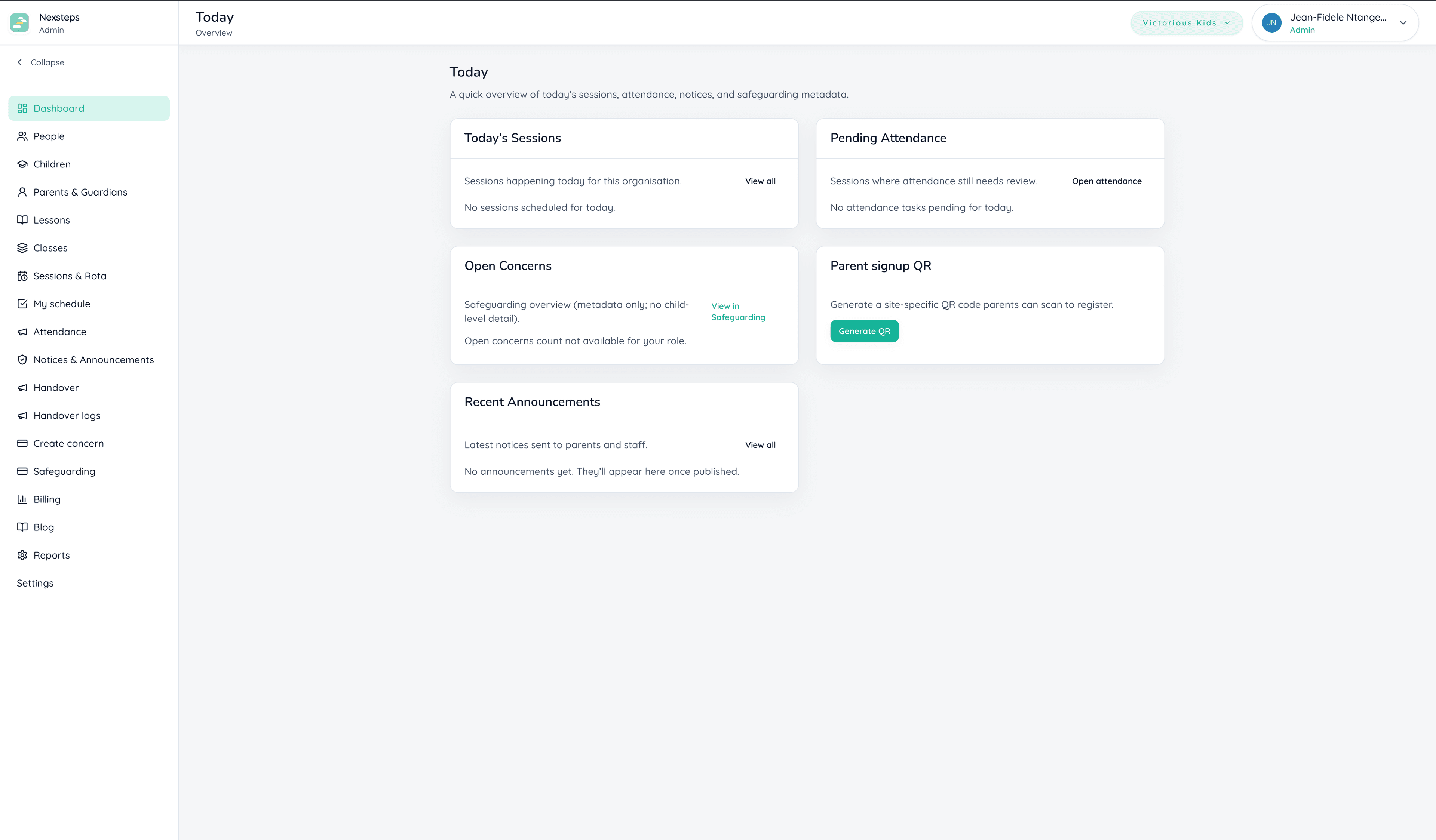
Dashboard Development
What should you define before commissioning a dashboard?
Define the decisions a dashboard must support, the meaning and owner of each measure, and how fresh the data needs to be before choosing charts. A dashboard cannot repair inconsistent source records by itself. Include reconciliation, missing data and access rules in its acceptance criteria.
April 13, 2026 • 2 min read • FSS Growth Team
Published · Updated
For Charity leaders, Faith organisation operations teams, Software buyers.
Sources and evidence
First-party scope and product information. Workflow examples are illustrative; no measured customer outcomes are claimed.

Which decisions need a dashboard?
Write three questions that repeatedly take too long to answer. For an illustrative charity programme, these might concern referral queues, available staff capacity and completed activities. Record who acts on each answer and how often information is needed.
The custom software development service covers scoped dashboards when reporting needs span existing systems. If a current tool answers the questions adequately, configuration may be the smaller project.
What belongs in a metric definition?
Give each measure a name, purpose, source, owner and calculation rule. Explain the reporting period, exclusions and treatment of duplicates. Programme registrations and people who attended are different counts; readers should not mistake one for the other.
Compare a sample output with source records and document differences. Record the work involved using the Manual Process Audit. Establish a baseline before claiming reporting has become faster or more accurate.
How current must the information be?
A weekly trustee report may need reconciled figures, while a daily work queue may need more frequent updates. Agree a refresh interval suited to the decision. Show the last successful refresh and explain when a source is unavailable; do not silently present stale values as current.
An illustrative church attendance report might need reviewed weekly totals rather than a live feed. Define which roles can see aggregate counts and which, if any, can inspect individual records.
What should a supplier demonstrate?
Ask for a working path from representative source data to a useful view. Test a missing source, duplicate record, changed reporting period and restricted user. Agree who maintains definitions when services change.
Use the Software Investment Framework to compare reporting benefits with integration, cleanup, hosting and support costs. Estimated capacity released is not automatically a cash saving.
What is the next step?
Bring your three reporting questions and a fictional or anonymised example to a project discussion. Define decisions and source responsibilities before deciding how many screens to build.